Drop-In or Sign-Up? Choosing a Shape for a Small Gathering
Drop-in or sign-up gatherings each make joining easier in different ways; choose a format that fits your room, preparation and visitors’ freedom.

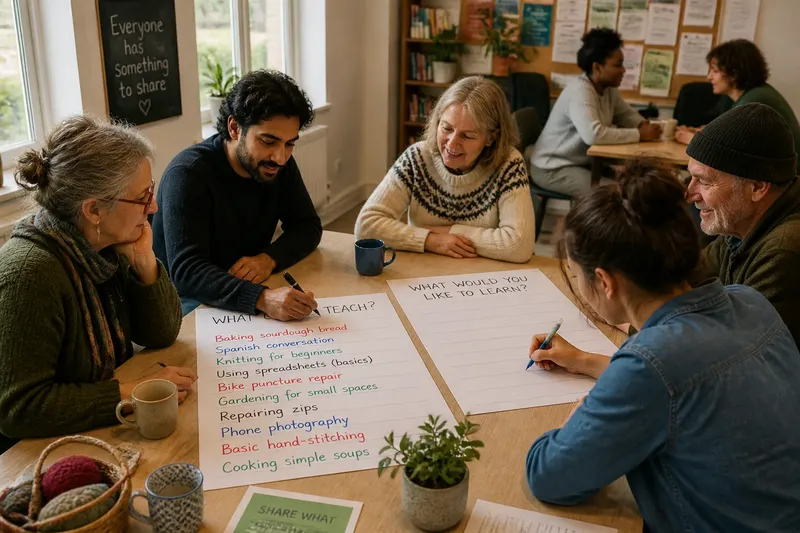
You have set out mugs in the community room, pushed two tables together and put the kettle on. Now comes the small decision that shapes the whole gathering: can people simply arrive, or should they reserve a place? For a small gathering, drop-in or sign-up is not a contest between friendly and formal. It is a choice about what you need to prepare, how much flexibility visitors need and what makes the first step feel comfortable.
Start with the room
Consider what happens if several people arrive together. In a hall with spare chairs, a steady trickle of visitors may be easy to absorb. In a narrow room with one table, the same arrival pattern can leave people hovering in the doorway while you make space.
Think beyond chair count. Is there a quiet corner for someone who wants to listen before joining in? Can late arrivals enter without interrupting a demonstration? A drop-in format suits a place where people can come and go without the room having to reset each time. Sign-up can help when the activity depends on a settled group, a particular seating arrangement or a shared start.
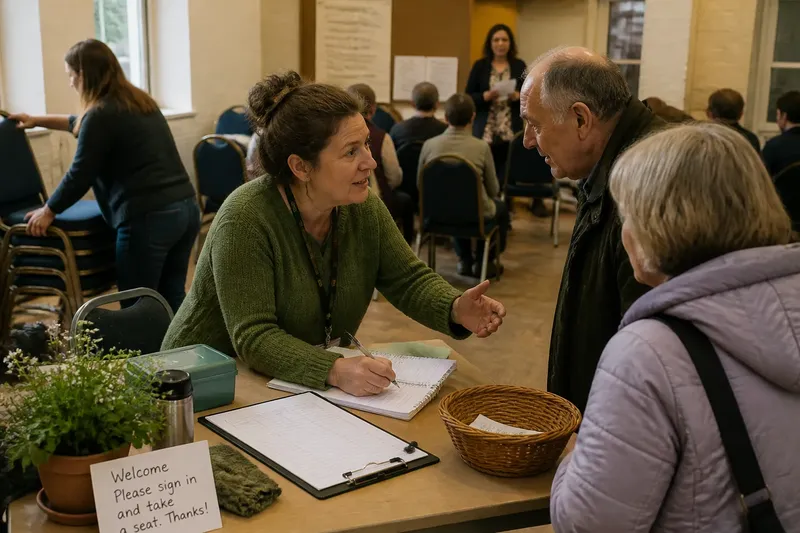
There is no need to estimate every possible combination of visitors and furniture. Walk through the room as if you have just arrived: where would you look, stand, hang a coat and find out what is happening? A clear welcome point may make open arrival feel manageable without adding a formal booking system.
Prepare for the unknown
With drop-in attendance, preparation works best when it can stretch. Set out materials in small batches rather than unpacking everything at once. Keep a few extra chairs nearby, and choose an activity that still makes sense if someone joins halfway through.
This does not mean preparing for an endless crowd. Decide what the room can comfortably hold and what you can actually host. If you reach that limit, a simple sign explaining when another space may open is kinder than squeezing people into an uncomfortable room. If the venue has a capacity rule, follow it.
Sign-up gives you a clearer sense of who plans to come, which can help with supplies, seating and a host’s preparation. It does not tell you exactly who will appear. People’s plans change, so avoid making a gathering depend on every registered person arriving or on a single attendee bringing something essential.
For a hands-on activity, make the materials useful in more than one way. A table of paper, pens and sample prompts can support a visitor who arrives late as well as someone who was there from the start. For a discussion, keep the opening question visible so a newcomer can find the thread without needing a full recap.
Protect easy arrival
Open arrival removes a decision before the door: there is no form to complete, place to reserve or explanation to give if someone is running late. That can suit neighbours who are curious but unsure how long they can stay. A short, plain notice helps: state the time window, location and whether people may arrive partway through.
Registration can also be welcoming if it reduces uncertainty. A simple sign-up may tell a visitor that there will be a seat, that the session begins together or that the host expects a small group. Keep the request proportionate: ask only for details you need to organise the gathering, and say clearly whether someone can still come without registering.
Consider how people will hear about the event. A digital form may be convenient for some and an obstacle for others. If registration is useful, provide a non-digital option too, such as speaking to the organiser at a regular local meeting or using a contact method people already know.
Do not make a person explain why they cannot sign up, arrive on time or stay to the end. A welcoming invitation gives the practical boundaries without turning them into a test of commitment. If the activity truly needs everyone present from the opening, say so in the invitation before someone makes the trip.
Choose a useful middle
Drop-in and sign-up need not be all-or-nothing. You might reserve a few places for people who want certainty, then keep some room for walk-ins. Or you might ask people to register their interest while making clear that the gathering remains open if space allows.
Say you are hosting a neighbourhood mending afternoon in a small library room. You need to put out thread, needles and table covers, but visitors may only have a few minutes to spare. You could invite people to reserve a place for the first part of the afternoon, then welcome drop-ins if chairs remain; a notice at the entrance could show whether the room is currently full. The expected result is a clearer sense of who is coming while leaving a route in for someone who did not plan ahead.
That arrangement only works if someone can update the notice and greet arrivals. If the host will be absorbed in the activity, a simpler approach may be better: keep the whole event drop-in and choose a format that does not rely on an exact headcount. A hybrid can create more coordination than it saves.
What should visitors know?
Should people register if attendance is free?
Only ask for registration when it helps organise the gathering or makes joining clearer. If the room and activity can handle uncertain attendance, a free drop-in invitation may be easier for people to act on.
Can late arrivals join a sign-up gathering?
They can if the activity allows it, but say so in the invitation. For a session that begins with shared instructions, explain whether late arrivals should wait for a pause or join the next part.
How can you avoid turning people away?
Choose a comfortable limit based on the room and the host’s ability to welcome people, then explain what happens if the gathering fills. A waiting option or another date can be more considerate than promising open access when the room cannot hold everyone.
Is a registration form always necessary?
No. A direct reply, a note on a shared noticeboard or a conversation with the organiser may be enough. If you do use a form, keep it brief and offer another way to respond.
Keep the invitation clear
The wording should answer the questions a neighbour might hesitate to ask: Is it all right to arrive alone? Can I leave early? Do I need to bring anything? Is there a fee? A few direct answers often do more for ease of joining than an elaborate event description.
For drop-in gatherings, give a clear arrival window rather than implying that the room will be open indefinitely. For sign-up gatherings, explain how to reserve a place and what to do if plans change. If you are using a shared venue, check its own instructions and local requirements once before publishing the details.
Skip the effort of building a complicated booking system for a gathering that can run comfortably with a handwritten list or no list at all. A spreadsheet, automated reminders and multiple confirmation messages may add work without helping visitors. Choose the lightest method that answers the practical question you actually have.
Notice what happens
Afterwards, make a brief note about how the format felt in practice: Did people arrive in a manageable flow? Was the room awkwardly crowded or conspicuously empty? Did anyone seem uncertain about whether they were welcome? These observations can guide the next invitation without turning attendance into a scorecard.
Ask a couple of visitors what made joining easy or difficult, especially if they arrived late or came without registering. Keep the question open rather than defending the format you chose. A small change—adding a sign at the entrance, making the arrival window clearer or offering a way to reserve—may be enough.
For the next small gathering, treat drop-in or sign-up as a design choice, not a permanent identity for your group. Match the format to the room, the kind of preparation involved and the freedom visitors need. Then make the invitation plain enough that someone can decide, without guesswork, whether to come through the door.